
Play Therapy for Children in Cedar City and Kanab
When children can’t find the words, play can help tell the story.
How We Help
Children don’t always have the words to explain what they’re feeling. Instead, emotions may show up through big reactions, changes in behavior, difficulty at school, sleep problems, worries, withdrawal, or challenges at home.
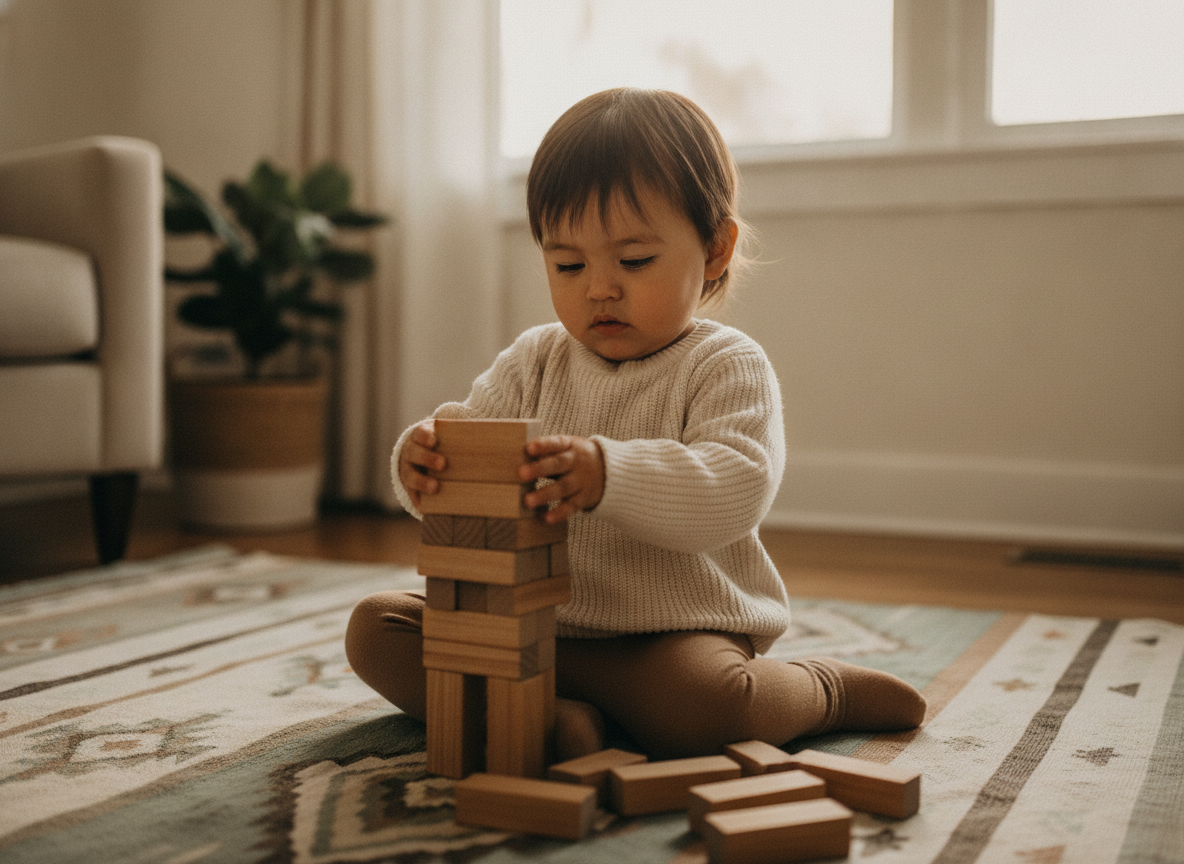
Play is a child’s natural language. Play therapy gives children a safe, supportive place to express feelings, explore experiences, practice new skills, and work through challenges, often in ways that feel natural and comfortable to them.
Get in Touch
Contact us today to learn more about how we can help you.
Play therapy is a form of psychotherapy that uses play as a primary way for children to communicate, explore emotions, and work through challenges. For adults, talking is often the primary way of communicating in therapy; for children, play can serve a similar purpose. Through toys, games, art, stories, movement, and imagination, children can express experiences and emotions that may be difficult to put into words. A trained play therapist provides a safe, accepting environment where the child can explore at their own pace while developing emotional awareness, coping skills, and healthier ways of responding.
What We Offer
Anxiety & Big Feelings
Children may experience fears, worries, or intense emotions without fully understanding what they’re feeling. Play therapy pairs well with anxiety therapy to give them tools for recognizing and managing those emotions.
Trauma & Difficult Experiences
Children who have experienced frightening or overwhelming events may communicate through behavior and play rather than words. A supportive environment, alongside trauma therapy, can help them process difficult experiences.
Sandtray & Expressive Arts
Play therapy is often combined with sandtray therapy and expressive arts for children who connect more naturally through creative, hands-on approaches.
What If My Child Doesn’t Want to Talk?
That’s okay. Your child doesn’t have to walk into therapy knowing how to explain what’s wrong, or sit still and answer a series of questions. Play therapy starts where the child is.
01
Child-Led & Structured Approaches
In some sessions, the therapist provides a carefully selected environment where the child has freedom to choose what and how they play. In others, the therapist introduces structured activities to help the child develop specific skills.
02
Parents Are Part of the Process
Depending on your child’s needs, treatment may include parent consultations, caregiver education, or specific strategies to use at home. Therapy isn’t about blaming parents. It’s about helping the adults around a child understand what they need.
03
Every Child Moves at Their Own Pace
The length of therapy depends on your child’s concerns, developmental level, and response to treatment. Progress is monitored along the way, and goals can be adjusted as your child’s needs change.
Frequently Asked Questions
What is play therapy?
Play therapy is a form of psychotherapy that uses play as a primary way for children to communicate, explore emotions, and work through challenges, since play is a child’s natural language in the way that talking is for adults.
Does my child need play therapy?
You may want to consider professional support if you notice frequent emotional outbursts, increased anxiety, withdrawal, problems at school, or difficulty adjusting to a major life change. You don’t have to wait until a problem becomes severe.
What happens during a play therapy session?
Sessions are designed around your child’s developmental level, personality, and treatment goals, and may include pretend play, art, sand play, storytelling, or other developmentally appropriate activities.
How long does play therapy take?
Every child is different. Some children benefit from short-term support around a specific challenge, while others need longer-term therapy. Progress is monitored and goals are adjusted as your child’s needs change.
Reach Out Today
Helping Children Feel Safe, Seen & Understood
Every child deserves a place where they can be themselves without fear of being judged. Your child doesn’t have to know how to ask for help. That’s part of what therapy is for. Ready to get started? Book an appointment with one of our therapists, or visit our Fees & Insurance page if you have questions about cost.