
Sandtray Therapy in Cedar City and Kanab
A hands-on, expressive approach that uses miniature figures and sand to help you process experiences that are hard to put into words.
How We Help
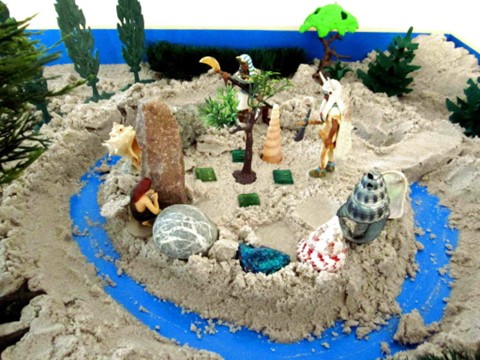
Sandtray therapy invites you to create scenes in a tray of sand using miniature figures, symbols, and objects. What emerges often reflects feelings, experiences, or relationships in ways that can be difficult to access through talking alone.
While often associated with children, sandtray therapy is used with clients of all ages, including adults, couples, and families, whenever a more expressive, less directly verbal approach can help.
Get in Touch
Contact us today to learn more about how we can help you.
During a sandtray session, you’re invited to select figures and arrange them in the tray however feels right, with no wrong way to do it. Your therapist observes and may ask reflective questions, helping you notice patterns, emotions, or insights that emerge from what you’ve created, often accessing material that talking alone doesn’t reach as easily.
A Few Ways We Can Help
Processing Difficult Experiences
Sandtray can help process trauma, grief, or other difficult experiences in a way that doesn’t require finding the exact right words.
Family & Couples Work
Sandtray can reveal relationship dynamics and patterns that are useful in both couples and family sessions.
Play & Expressive Work
Sandtray pairs naturally with play therapy for children and with expressive arts approaches for clients of any age.
Why Try Sandtray Therapy
Sandtray offers a way to explore what’s happening for you when words alone don’t feel like enough.
01
No Wrong Way to Do It
There’s no right or wrong way to create a sandtray scene. What emerges is valuable simply because it’s yours.
02
Works for All Ages
We use sandtray with children, teens, adults, couples, and families, adapting the approach to fit your needs.
03
Complements Talk Therapy
Sandtray is often used alongside traditional talk therapy, adding another way to access and process your experience.
Each of our therapists has their own training and specializations. Not all therapists are trained in the same treatment modalities. Please refer to each individual therapist’s page for information on what they specialize in, or call or email us if you have questions about which therapist will be right for you and your individual needs.
Frequently Asked Questions
Is sandtray therapy only for children?
No. While it’s commonly used with children, sandtray therapy is also used with adults, couples, and families whenever an expressive, less directly verbal approach can help.
What happens during a sandtray session?
You select figures and arrange them in a tray of sand however feels right. Your therapist observes and may ask reflective questions about what you’ve created.
Do I need to be creative or artistic for this to work?
Not at all. There’s no artistic skill involved. Sandtray is about expression and exploration, not creating something that looks a particular way.
What can sandtray therapy help with?
Sandtray therapy can help process trauma, grief, family and relationship dynamics, and other experiences that are difficult to access through talking alone.
Reach Out Today
Explore What Words Can’t Reach
Ready to get started? Book an appointment with one of our therapists, or visit our Fees & Insurance page if you have questions about cost.